Showing posts with label LED Lighting. Show all posts
Thursday, 2 January 2014
Wednesday, 1 January 2014
Saturday, 28 December 2013
Wednesday, 25 December 2013
Monday, 16 December 2013
Parking Garage Lights: Light up your Future
Had you ever thought that parking garage lights and revolution can come together in a single sentence? Think again!
Advanced technology of LED lighting and Induction lighting is spelling revolution for gas station lights and parking garages lights. No, not just the very decorative LED flat panels on the ceiling or efficient LED tubes on the station and not even the flashy spot lights to direct the way. It is much bigger and advanced.
Shine on Demand
LED and induction lights are already known to be energy efficient and bill reducing, but these lighting systems are now revolutionized with several sensors to perform smartly. They can switch on and off as on demand and thus can save further on electricity bills. It can automatically switch on when the natural light fades away and can wait in a dimmer mode when no action or occupant is sensed.
Advantages of Smart Lighting
Such innovative and power saving lighting systems deserve to be called intelligent or smart as it not only improves the night time visibility but also caters to different lighting requirements at various levels. Such innovative lighting systems can have endless advantages and best out of such are listed here:
Advanced technology of LED lighting and Induction lighting is spelling revolution for gas station lights and parking garages lights. No, not just the very decorative LED flat panels on the ceiling or efficient LED tubes on the station and not even the flashy spot lights to direct the way. It is much bigger and advanced.
Shine on Demand
LED and induction lights are already known to be energy efficient and bill reducing, but these lighting systems are now revolutionized with several sensors to perform smartly. They can switch on and off as on demand and thus can save further on electricity bills. It can automatically switch on when the natural light fades away and can wait in a dimmer mode when no action or occupant is sensed.
Advantages of Smart Lighting
Such innovative and power saving lighting systems deserve to be called intelligent or smart as it not only improves the night time visibility but also caters to different lighting requirements at various levels. Such innovative lighting systems can have endless advantages and best out of such are listed here:
- Hassle free operation with automatic on and off switching by sensing the light
- Has long life span to serve for as long as 100,000 hours or 25 years if used for 10 hours per day
- Very less maintenance
- Low cost of operation
- Change in the intensity of the light can alert pedestrians and other crew
- Consumes 80% less energy as compared to other metal halide fixtures
- Can also be effectively used in house garage to operate automatically as and when required
Thus, LED lighting and induction lighting are revolutionizing the modern lifestyle to be dynamic and to be energy conserving.
3 Common Myths of LED Lighting
Most changes come along with resistance and lighting is no exception! Though LED lighting has made its mark in office lights, gas station lights, parking garage lights and industry lighting, common populace may still have some resistance to switch from CFLs or candescent bulbs to new and innovative LED tubes or LED flat panels. Following are the 3 most common myths people generally have resisting them to adapt LED lights:
1. Less brighter as compared to candescent bulb
This myth may arise out of misinformation or just a bad experience and it is not at all true. Back in the time with candescent bulbs, the brightness of the light was associated with the wattage, more wattage means brighter light, but this is not the case with LED lights. LEDs consume less wattage for more output. A 29W LED light may produce 2600 lumens unit of light) that would give brightness as much as 150 Watt candescent bulbs.
2. LED produces bluish white light
Another myth associated with LED lights is that they have white light with tones of blue which is not true with every LED lamp. LED lights are available in wide variety of color temperature to determine their colors. You can choose among 3500K-6500K color temperature for bluish light or between 2700-3000K color temperatures for familiar white light.
3. LED lights are costly
Apparently, this is true that initial cost of LED light is high but another truth is that the cost of any kind of lighting shall not just be determined by the initial purchase cost. It should rather include initial cost + maintenance cost + replacement cost. LED lights are zero maintenance and have 20 times more life (100,000 hours or 25 years if used for 10 hours/day) than other traditional lighting options. Moreover, LED lights come with longer period of warranty, so you decide!
1. Less brighter as compared to candescent bulb
This myth may arise out of misinformation or just a bad experience and it is not at all true. Back in the time with candescent bulbs, the brightness of the light was associated with the wattage, more wattage means brighter light, but this is not the case with LED lights. LEDs consume less wattage for more output. A 29W LED light may produce 2600 lumens unit of light) that would give brightness as much as 150 Watt candescent bulbs.
2. LED produces bluish white light
Another myth associated with LED lights is that they have white light with tones of blue which is not true with every LED lamp. LED lights are available in wide variety of color temperature to determine their colors. You can choose among 3500K-6500K color temperature for bluish light or between 2700-3000K color temperatures for familiar white light.
3. LED lights are costly
Apparently, this is true that initial cost of LED light is high but another truth is that the cost of any kind of lighting shall not just be determined by the initial purchase cost. It should rather include initial cost + maintenance cost + replacement cost. LED lights are zero maintenance and have 20 times more life (100,000 hours or 25 years if used for 10 hours/day) than other traditional lighting options. Moreover, LED lights come with longer period of warranty, so you decide!
Friday, 6 December 2013
3 Common Myths of LED Lighting
Most changes come along with resistance and lighting is no exception! Though LED lighting has made its mark in office lights, gas station lights, parking garage lights and industry lighting, common populace may still have some resistance to switch from CFLs or candescent bulbs to new and innovative LED tubes or LED flat panels. Following are the 3 most common myths people generally have resisting them to adapt LED lights:
1. Less brighter as compared to candescent bulb
This myth may arise out of misinformation or just a bad experience and it is not at all true. Back in the time with candescent bulbs, the brightness of the light was associated with the wattage, more wattage means brighter light, but this is not the case with LED lights. LEDs consume less wattage for more output. A 29W LED light may produce 2600 lumens unit of light) that would give brightness as much as 150 Watt candescent bulbs.
2. LED produces bluish white light
Another myth associated with LED lights is that they have white light with tones of blue which is not true with every LED lamp. LED lights are available in wide variety of color temperature to determine their colors. You can choose among 3500K-6500K color temperature for bluish light or between 2700-3000K color temperatures for familiar white light.
3. LED lights are costly
Apparently, this is true that initial cost of LED light is high but another truth is that the cost of any kind of lighting shall not just be determined by the initial purchase cost. It should rather include initial cost + maintenance cost + replacement cost. LED lights are zero maintenance and have 20 times more life (100,000 hours or 25 years if used for 10 hours/day) than other traditional lighting options. Moreover, LED lights come with longer period of warranty, so you decide!
1. Less brighter as compared to candescent bulb
This myth may arise out of misinformation or just a bad experience and it is not at all true. Back in the time with candescent bulbs, the brightness of the light was associated with the wattage, more wattage means brighter light, but this is not the case with LED lights. LEDs consume less wattage for more output. A 29W LED light may produce 2600 lumens unit of light) that would give brightness as much as 150 Watt candescent bulbs.
2. LED produces bluish white light
Another myth associated with LED lights is that they have white light with tones of blue which is not true with every LED lamp. LED lights are available in wide variety of color temperature to determine their colors. You can choose among 3500K-6500K color temperature for bluish light or between 2700-3000K color temperatures for familiar white light.
3. LED lights are costly
Apparently, this is true that initial cost of LED light is high but another truth is that the cost of any kind of lighting shall not just be determined by the initial purchase cost. It should rather include initial cost + maintenance cost + replacement cost. LED lights are zero maintenance and have 20 times more life (100,000 hours or 25 years if used for 10 hours/day) than other traditional lighting options. Moreover, LED lights come with longer period of warranty, so you decide!
Did you know?
![]() |
| LED Lighting |
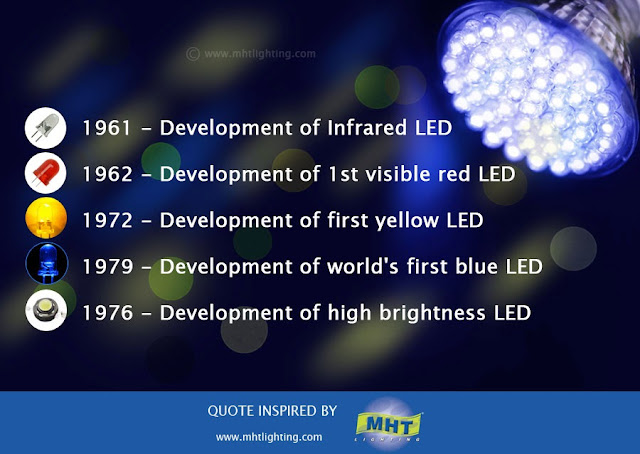
Red and Infrared LED's are made with gallium arsenide
Bright Blue is made with GaN -gallium nitride
White LED's are made with yttrium aluminum garnet
Violet, purple, ultraviolet, green, blue, LED's are also available
LED statistics
![]() |
| LED statistics |
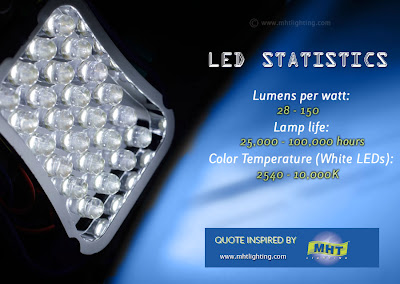
- Lumens per watt: 28 - 150 (as per environment)
- Lamp life: 25,000 - 100,000 hours
- Color Temperature (White LEDs): 2540 - 10,000K
Wednesday, 4 December 2013
Thursday, 28 November 2013
Monday, 4 November 2013
Incredible Induction Lighting with Energy Saving Features
Induction lighting is tremendously capable to save energy that is much higher than any other traditional source of lighting. Induction lights definitely has emerged as one the preferred options of lighting for industries, street lights, gas station lights, parking garage lights and other public lighting; it is also present as a very strong competition for LED lighting as they both have almost similar features and benefits, but induction lights are cheaper than LED lights.
What is induction light?
Induction lights too have mercury in gas fill exactly like fluorescent lights. Induction light emits Ultra violet radiation on agitation of gas fill which is converted into light of white color due to phosphorous coating. Conversely, induction lights does not have electrodes, they rather have high frequency generator and power coupler to start the flow of current inside the bulb. Thus generated current produces a magnetic field of radio frequency that agitates the gas fill and emits lights.
Energy Saving Features
Since induction lights uses high frequency generator in place of electrodes they have a larger life as compared to other lighting options like fluorescent lights and candescent lights. Moreover, induction lights produce high lumen in lesser wattage as it has high energy conversion rate with minimum current wastage. An induction lamp is capable of converting 80% of the energy into light and that is why it can greatly cut down the monthly electricity bills.
Life of Induction Lights
Induction lights can last up to 20 times more than the regular candescent bulbs. Induction lamps have a life span of 100,000 hours to completely trounce the 5000 hours of candescent bulbs.
Other benefits
Other than energy efficiency and longer life, induction lighting has following main benefits:
- Instant start
- Above 80 CRI (color rendering index)
- Excellent performance in extreme climatic conditions
- Almost zero maintenance
- No vibration, glare, noise, flickering or stroking
- Less carbon footprint
For more details visit : http://www.mhtlighting.com
What is induction light?
Induction lights too have mercury in gas fill exactly like fluorescent lights. Induction light emits Ultra violet radiation on agitation of gas fill which is converted into light of white color due to phosphorous coating. Conversely, induction lights does not have electrodes, they rather have high frequency generator and power coupler to start the flow of current inside the bulb. Thus generated current produces a magnetic field of radio frequency that agitates the gas fill and emits lights.
Energy Saving Features
Since induction lights uses high frequency generator in place of electrodes they have a larger life as compared to other lighting options like fluorescent lights and candescent lights. Moreover, induction lights produce high lumen in lesser wattage as it has high energy conversion rate with minimum current wastage. An induction lamp is capable of converting 80% of the energy into light and that is why it can greatly cut down the monthly electricity bills.
Life of Induction Lights
Induction lights can last up to 20 times more than the regular candescent bulbs. Induction lamps have a life span of 100,000 hours to completely trounce the 5000 hours of candescent bulbs.
Other benefits
Other than energy efficiency and longer life, induction lighting has following main benefits:
- Instant start
- Above 80 CRI (color rendering index)
- Excellent performance in extreme climatic conditions
- Almost zero maintenance
- No vibration, glare, noise, flickering or stroking
- Less carbon footprint
For more details visit : http://www.mhtlighting.com
Sunday, 3 November 2013
Renew Lighting with Revived Technology of Induction Lighting
Induction lighting is an old technology that has been there for over 100 years but recently with the grown awareness and need of safer environment along with energy efficient lighting solutions, induction lighting is renewed to become popular and adept for today’s need.
To put it simply, induction lighting is like the fluorescent lighting that is very common in household and industry but it differs from them as it does not have electrodes or filaments (as in the case of candescent bulb) that caused lights to burn out quickly. This aids extremely long life to induction lighting that can be as long as 100,000 hours; putting it in a practical perspective, a system of induction lighting can last over 11 years if used continuously 24/7 or over 25 years if used regularly for 10 hours per day.
Benefits Vs Price
Although, induction lighting may cost a bit higher than regular LED lighting or fluorescent lighting but it has following superior features that makes it to be cost effective in long run:
- Practically maintenance free operation
- Long life
- High power efficacy, it can deliver 60+ or in some cases 70+ lumens for every watt
- Superior CRI (color rendering index) 80+ or 90+ in some cases
- Cool temperature with a choice of warm or cool white
- Starts instantly
- No noise, flickering, or stroking
- High power factor of 90+
- Some units may also have dimmable capacity
Application of induction lighting
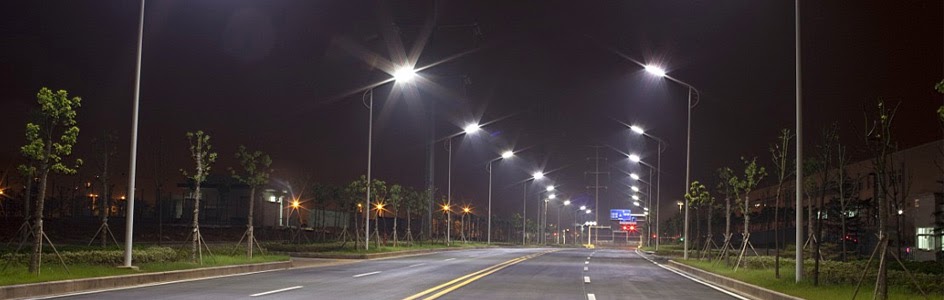
High power efficiency, long life, and instant start features make it to be vigorously used as parking garage lights, gas station lights, street lights or wherever high lumen light output is required. Since it is maintenance free, induction lighting is ideal for places that are hard to reach to save high maintenance cost such as street lighting, high ceilings, and tunnels.
For more details visit: http://www.mhtlighting.com/
To put it simply, induction lighting is like the fluorescent lighting that is very common in household and industry but it differs from them as it does not have electrodes or filaments (as in the case of candescent bulb) that caused lights to burn out quickly. This aids extremely long life to induction lighting that can be as long as 100,000 hours; putting it in a practical perspective, a system of induction lighting can last over 11 years if used continuously 24/7 or over 25 years if used regularly for 10 hours per day.
Benefits Vs Price
Although, induction lighting may cost a bit higher than regular LED lighting or fluorescent lighting but it has following superior features that makes it to be cost effective in long run:
- Practically maintenance free operation
- Long life
- High power efficacy, it can deliver 60+ or in some cases 70+ lumens for every watt
- Superior CRI (color rendering index) 80+ or 90+ in some cases
- Cool temperature with a choice of warm or cool white
- Starts instantly
- No noise, flickering, or stroking
- High power factor of 90+
- Some units may also have dimmable capacity
Application of induction lighting
High power efficiency, long life, and instant start features make it to be vigorously used as parking garage lights, gas station lights, street lights or wherever high lumen light output is required. Since it is maintenance free, induction lighting is ideal for places that are hard to reach to save high maintenance cost such as street lighting, high ceilings, and tunnels.
For more details visit: http://www.mhtlighting.com/